
advertise
Nanaimo Deck Pros / Blog / Material Guide for Building Decks at Home in Nanaimo

Material Guide for Building Decks at Home in Nanaimo

The Ultimate Material Guide for Building Decks at Home in Nanaimo: Choosing the Right Decking for Vancouver Island’s Coastal Climate

Building a deck in Nanaimo is one of the best investments you can make in your home. With Vancouver Island’s stunning natural beauty and mild coastal climate, outdoor living spaces are practically a lifestyle requirement. But here’s the thing—Nanaimo’s weather isn’t always kind to building materials. Between the wet winters, coastal moisture, heavy rainfall, and UV exposure in the summer, your decking material needs to be able to handle a lot.

Whether you’re planning a new deck or replacing an ageing one, one of the first big decisions you’ll face is choosing the right material. This guide breaks down everything you need to know about decking materials for Nanaimo homes—from pressure-treated wood and cedar to composite, PVC, and exotic hardwoods—so you can make an informed choice that fits your budget, lifestyle, and maintenance preferences.

Deck Material Comparison: Your Options for Nanaimo Decks

1. Pressure-Treated Wood: The Budget-Friendly Classic

Pressure-treated lumber is the most commonly used and most affordable decking material on the market. It’s treated with chemical preservatives to resist moisture, insects, and decay, making it a practical choice for homeowners on a tighter budget.

Pros:

  • Most affordable upfront cost—typically $15–$25 per square foot installed
  • Widely available at all home improvement stores
  • Easy to work with and customize with stain or paint
  • Strong and durable when properly maintained

Cons:

  • Requires regular maintenance—staining or sealing every 1–3 years
  • Vulnerable to rot, moisture damage, and warping over time
  • Can warp, crack, or splinter as it ages
  • Typical lifespan: 10–25 years depending on upkeep
  • In Nanaimo’s damp climate, wood decks tend to age faster without consistent maintenance

Best for: Homeowners working within a tighter upfront budget who are comfortable with routine maintenance.

2. Cedar: The Classic West Coast Choice

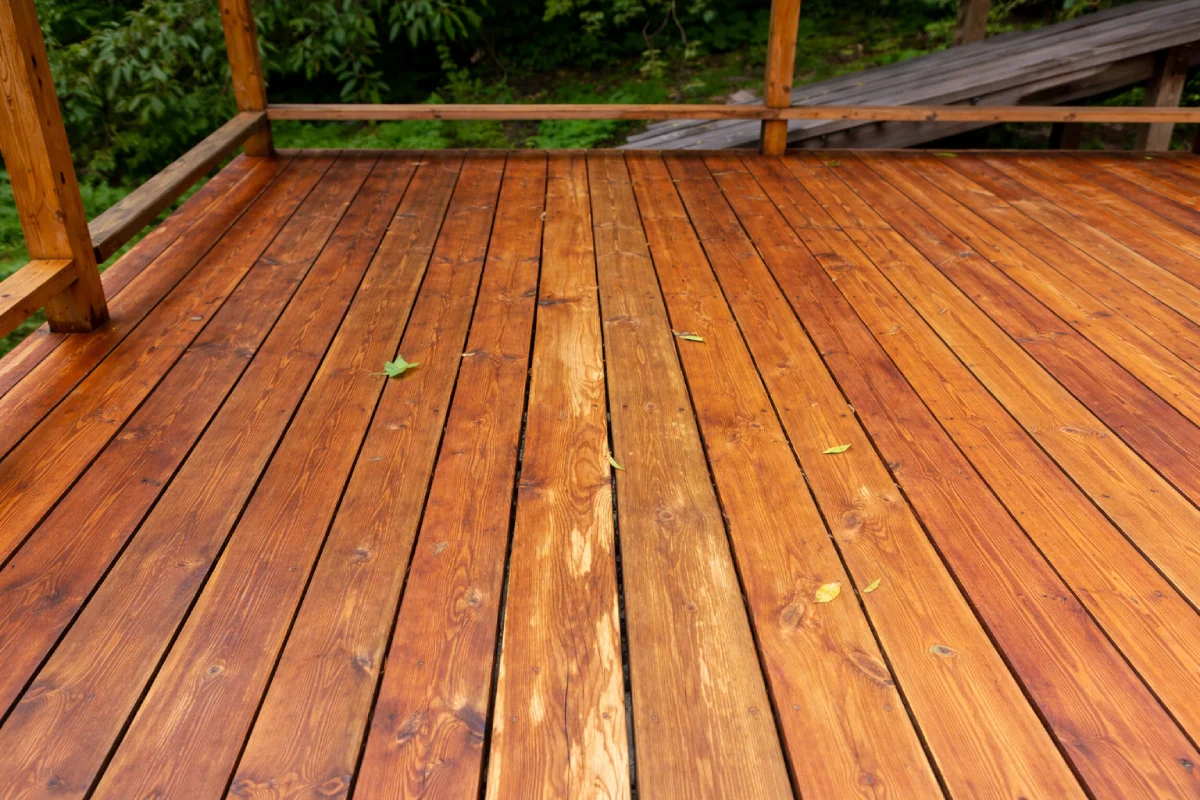
Western red cedar is indigenous to the West Coast of BC and has been the go-to decking material for decades. It’s prized for its natural beauty, warm tones, and natural resistance to moisture, decay, and insects.

Pros:

  • Naturally rot- and insect-resistant due to natural oils
  • Beautiful, authentic grain and warm aesthetic
  • Lighter weight and easy to work with
  • Eco-friendly and renewable resource
  • Cooler underfoot than synthetic materials

Cons:

  • Requires periodic staining or sealing to maintain appearance
  • “New growth” cedar (which is what’s commonly available today) can start to show rot after just 10 years in heavy rain
  • Fades and weathers to silver-gray over time unless maintained
  • Softer than hardwoods, more prone to denting and scratching

Typical lifespan: 15–20 years

Best for: Homeowners who value natural beauty and don’t mind regular maintenance. Cedar blends seamlessly with Nanaimo’s forested landscapes.

3. Composite Decking: Low-Maintenance and Long-Lasting

Composite decking is a manufactured product made from a blend of recycled plastics and wood fibers, designed to mimic the look of wood with far less upkeep. It’s one of the most popular alternatives to traditional wood.

Pros:

  • Highly resistant to moisture, rot, and insects
  • Won’t warp, crack, or splinter over time
  • No staining, sanding, or sealing required—just occasional cleaning
  • Consistent colour and finish year after year
  • Wide range of colours and wood-look finishes
  • Typical lifespan: 25–50 years
  • Often made from recycled materials

Cons:

  • Higher upfront cost—typically $30–$50 per square foot installed
  • Can develop surface mold in shaded, damp areas if not cleaned
  • May not fully replicate the look and feel of real wood up close
  • Can get hot in direct sun
  • Some traditional composites contain wood particles that can swell in wet climates
icon
icon

A Note for Nanaimo:

 Not all composite boards are ideal for the Pacific Northwest’s wet climate. Many traditional composites contain wood-based particles that can swell and deteriorate with consistent moisture exposure. Look for mineral-based composite (MBC) options like Deckorators Voyage, which are highly resistant to moisture and swelling.
Best for: Homeowners who want minimal ongoing maintenance, plan to stay in their home long-term, or have decks exposed to frequent rain or shade

4. PVC Decking: Ultimate Water Resistance

PVC decking is 100% synthetic—made entirely from plastic with no wood fibers. It takes durability a step further by being virtually immune to moisture damage, mold, and insects.

Pros:

  • Completely waterproof—does not absorb moisture
  • Won’t rot, warp, crack, or splinter
  • Resistant to fading, staining, and scratching
  • Lighter weight, making it easier to work with
  • Typically runs cooler in direct sun than composite
  • Virtually no maintenance required

Cons:

  • Highest material cost—typically $40–$60 per square foot installed
  • Can be more prone to scratches and dents compared to composite
  • Less natural wood appearance than composite
  • Fully plastic—less eco-friendly than composite or wood
  • Best for: Homes in wet or humid climates, pool decks, second-storey decks, or any application where total waterproofing is a priority

.

5. Tropical Hardwoods (Ipe, Batu, Cumaru): The Premium Natural Option

Tropical hardwoods like Ipe (Brazilian Walnut), Batu (Red Balau), and Cumaru offer striking color variation, natural density, and exceptional durability. These materials withstand wear and environmental stress far better than softwoods.

Pros:

  • Incredible lifespan—40–75 years even in harsh climates
  • Naturally water-resistant, durable, and rot-resistant
  • Nearly twice as dense as oak
  • Resists pests and decay without chemical treatments
  • Can be sanded back to like-new finish when needed
  • Maintains structural strength through wet winters and rainy seasons

Cons:

  • Premium price—$8–$15 per linear foot (compared to $3–$6 for cedar)
  • Working with dense materials takes more time and specialized tools
  • Requires annual oiling to preserve rich tones
  • Less common, may require special ordering

Best for: Homeowners seeking a luxury, long-term investment who value natural beauty and are willing to pay for premium durability.

6. Aluminum Decking: The Modern Performance Option

Aluminum decking has carved out a niche where durability and water management are top priorities. It’s a non-combustible, weather-resistant option that performs exceptionally well in extreme conditions.

Pros:

  • Won’t warp, crack, rot, or rust
  • Fireproof and slip-resistant
  • Supports heavy loads—great for spas or outdoor kitchens
  • Long lifespan with minimal upkeep
  • Reflective surface stays cooler in summer

Cons:

  • Lacks the warm aesthetic of wood
  • Higher cost—approximately two to three times more than pressure-treated lumber
  • Conducts heat quickly, may feel warm in direct sun
  • More modern, industrial appearance may not suit all homes

Best for: Modern homes, high-traffic areas, rooftop decks, and regions with extreme weather or wildfire risk.

Skip the Red Tape—Build Your Dream Deck the Right Way

Don't let building permits and Nanaimo zoning bylaws stall your outdoor project. At Nanaimo Deck Pros, we handle everything from site surveys and architectural drafting to the final inspection. Build with confidence knowing your investment is 100% compliant and built to last.

How to Choose the Right Material for Your Nanaimo Deck

With so many options, here’s how to narrow it down:

Choose Composite or PVC if:

  • You want minimal ongoing maintenance
  • Your deck is exposed to frequent rain or shade
  • Long-term durability is a priority
  • You plan to stay in your home for many years
  • Your deck is a primary living and entertaining space

Choose Tropical Hardwood if:

  • You want premium natural beauty with exceptional longevity
  • You’re making a long-term investment in your property
  • You appreciate luxury materials and are willing to pay for them

Choose Aluminum if:

  • You need maximum durability and weather resistance
  • You have a rooftop or high-traffic application
  • Fire resistance is a concern

Do You Need a Building Permit in Nanaimo?

Before you start buying materials, it’s essential to understand Nanaimo’s building permit requirements. A building permit is required to build a new deck, repair existing structural members, or rebuild an existing deck and/or stairs

A permit is NOT required if ALL of the following apply:

  • The deck is not part of the principal entrance into your dwelling
  • The deck is not more than two feet above grade within four feet of the edge
  • The deck is not covered with a roof
  • The deck is not attached to the dwelling

If your deck is attached to the house, more than two feet off the ground, covered, or part of the principal entrance, you need a permit.

Additional considerations:

  • Restrictive covenants, watercourse setbacks, utility rights-of-way, and property line distances may affect where you can build
  • A Business Licence valid in the City of Nanaimo is required for builders and contractors
  • Plans must be submitted to scale (1/4″ = 1′ or 1:50)
  • The current BC Building Code applies to all structures

Pro tip: Check with the City of Nanaimo Building Inspections Section (250-755-4429) before starting your project toavoid costly fines or removal orders.

icon
icon
icon
icon

Essential Deck Maintenance Tips for Nanaimo Homeowners

Whatever material you choose, proper maintenance will extend your deck’s life:

For Wood Decks:

  • Inspect regularly for wood rot, especially where the deck is close to the ground
  • Clean annually using a deck-specific cleaning agent
  • Re-seal or re-stain every 1–3 years
  • Sweep away leaves and debris to prevent moisture buildup and mould growth

For Composite and PVC Decks:

  • Occasional cleaning with soap and water is all that’s needed
  • Remove debris from between boards to prevent mold in shaded areas
  • No staining, sanding, or sealing required

Final Thoughts: Building Your Nanaimo Dream Deck

Choosing the right decking material for your Nanaimo home comes down to balancing upfront cost, long-term maintenance, and durability in our coastal climate.

If you value low maintenance and longevity, composite or PVC are excellent choices for Nanaimo’s wet climate. If you prefer natural beauty and don’t mind upkeep, cedar or pressure-treated wood can serve you well. And if you’re looking for a premium, heirloom-quality investment, tropical hardwoods like Ipe are unmatched.

Remember: your deck is an extension of your home. The right material will ensure it stands up to Nanaimo’s elements while providing years of enjoyment for family and friends. Take the time to evaluate your options, check permit requirements, and choose a material that fits your lifestyle—your future self (and your deck) will thank you.

Choosing the right decking material for your Nanaimo home comes down to balancing upfront cost, long-term maintenance, and durability in our coastal climate.

If you value low maintenance and longevity, composite or PVC are excellent choices for Nanaimo’s wet climate. If you prefer natural beauty and don’t mind upkeep, cedar or pressure-treated wood can serve you well. And if you’re looking for a premium, heirloom-quality investment, tropical hardwoods like Ipe are unmatched.

Remember: your deck is an extension of your home. The right material will ensure it stands up to Nanaimo’s elements while providing years of enjoyment for family and friends. Take the time to evaluate your options, check permit requirements, and choose a material that fits your lifestyle—your future self (and your deck) will thank you.